
SHIPPING IN EUROPE
How to ship smarter
across borders
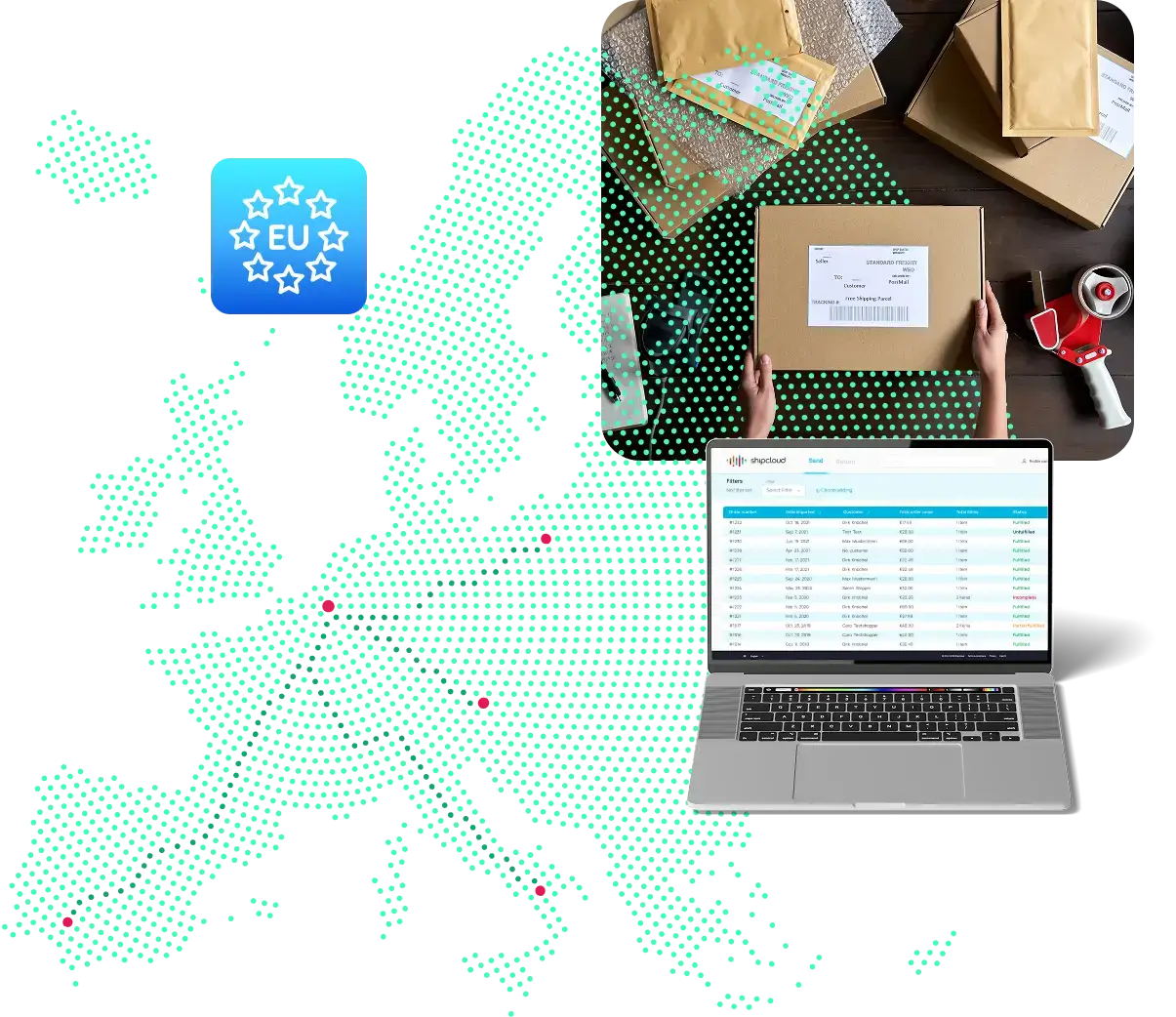
Shipping across Europe opens up enormous opportunities for e-commerce businesses. But as parcel volumes grow and you ship to more markets, managing cross-border logistics becomes increasingly complex.
Different carrier networks, delivery preferences, linehauls, last mile operations and returns all need to work together to create a reliable delivery experience across borders. So how do you keep everything connected without adding unnecessary complexity?
On this page, you’ll find everything you need to understand and improve your European parcel logistics setup.
Why shipping across Europe
gets complex
Cross-border logistics is about much more than getting a parcel from one country to another. Behind every delivery is a chain of interconnected steps, from choosing how a shipment travels between markets to handing it over to the network that completes the last mile.
Getting those individual parts right is important. Getting them to work together is what makes cross-border shipping efficient and reliable.
Managing carriers
across Europe
One of the first questions when shipping across multiple markets is: which carriers do you use where?
The answer won’t necessarily be the same for every market or shipment. Different carriers offer different services, networks and delivery options across Europe. A multi-carrier setup gives you the flexibility to match your shipping choices to different destinations and customer needs.
As your carrier network grows, managing it efficiently becomes just as important as choosing the carriers themselves.

The role of a linehaul
in European shipping
Before a parcel reaches a local delivery network, it may have hundreds or even thousands of kilometres to travel.
Linehaul transport covers an important part of that journey. Linehauls move larger volumes of parcels over longer distances between hubs and locations, connecting different parts of a European logistics network.
For high-volume shippers, they play an important role in moving parcels efficiently between markets before the next stage of the journey begins.
The importance
of the last mile
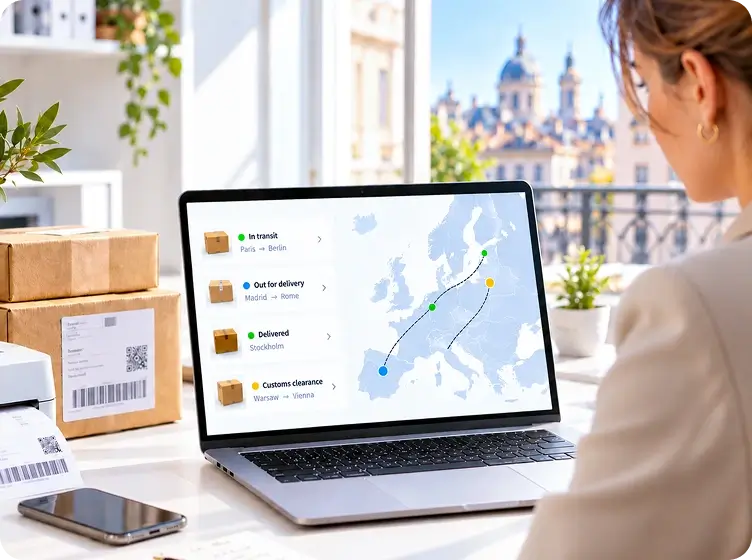
After travelling across countries and logistics networks, there is one crucial stage left: getting the parcel to your customer.
Your customer may not see what happens during a linehaul, but they certainly notice whether their parcel arrives when, where and how they expect it.
That makes the last mile a crucial part of the cross-border delivery experience.
70%
of online shoppers buy from retailers outside their home country*
€911 B
European B2C e-commerce turnover in 2025**
78%
of EU internet users
shop online***
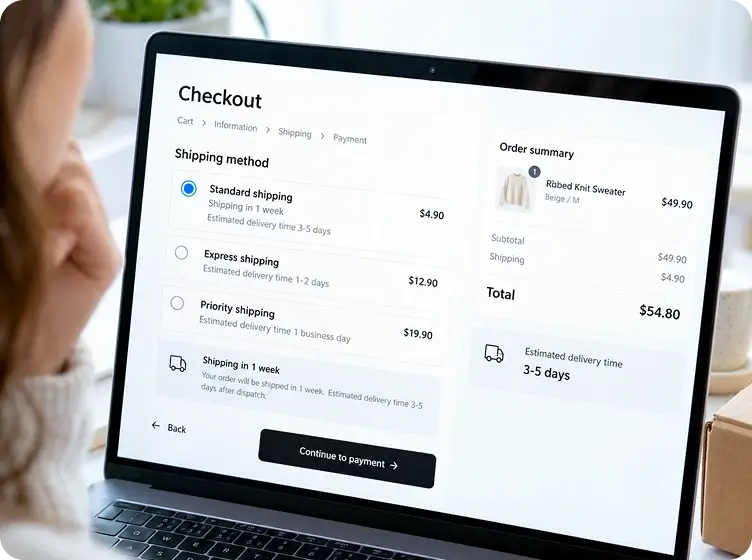
Top 3 reasons shoppers don't buy internationally*
- High delivery costs or long delivery times (45%)
- Fear of fraud or lack of trust (45%)
- Customs / duties / taxes (41%)

Top 3 reasons shoppers do buy internationally*
- Lower prices (60%)
- Product not available in my country (44%)
- Better quality products (32%)
Keep learning, keep shipping
Want smart updates on shipping in Europe, new rules and shipping best practices?
We've got something for that.
* https://www.dhl.com/content/dam/dhl/local/global/dhl-ecommerce/documents/pdf/g0-ec-trends-report-2026.pdf
** https://ecommerce-europe.eu/press-item/european-e-commerce-reaches-e911-billion-as-sector-calls-for-fairer-competition
***https://www.europship.com/guide/europe-ecommerce-data
Shipping to
European destinations
Europe may be one market, but parcel delivery isn’t one-size-fits-all. What customers expect from delivery can differ considerably between countries. Preferred delivery locations, delivery speed, out-of-home options and other expectations in Germany won’t necessarily be the same in France, Italy or the Netherlands.
Understanding the market you’re shipping to helps you offer a delivery experience that feels local, even when your logistics operation crosses borders.
Where are you shipping to?
Managing
cross-border returns
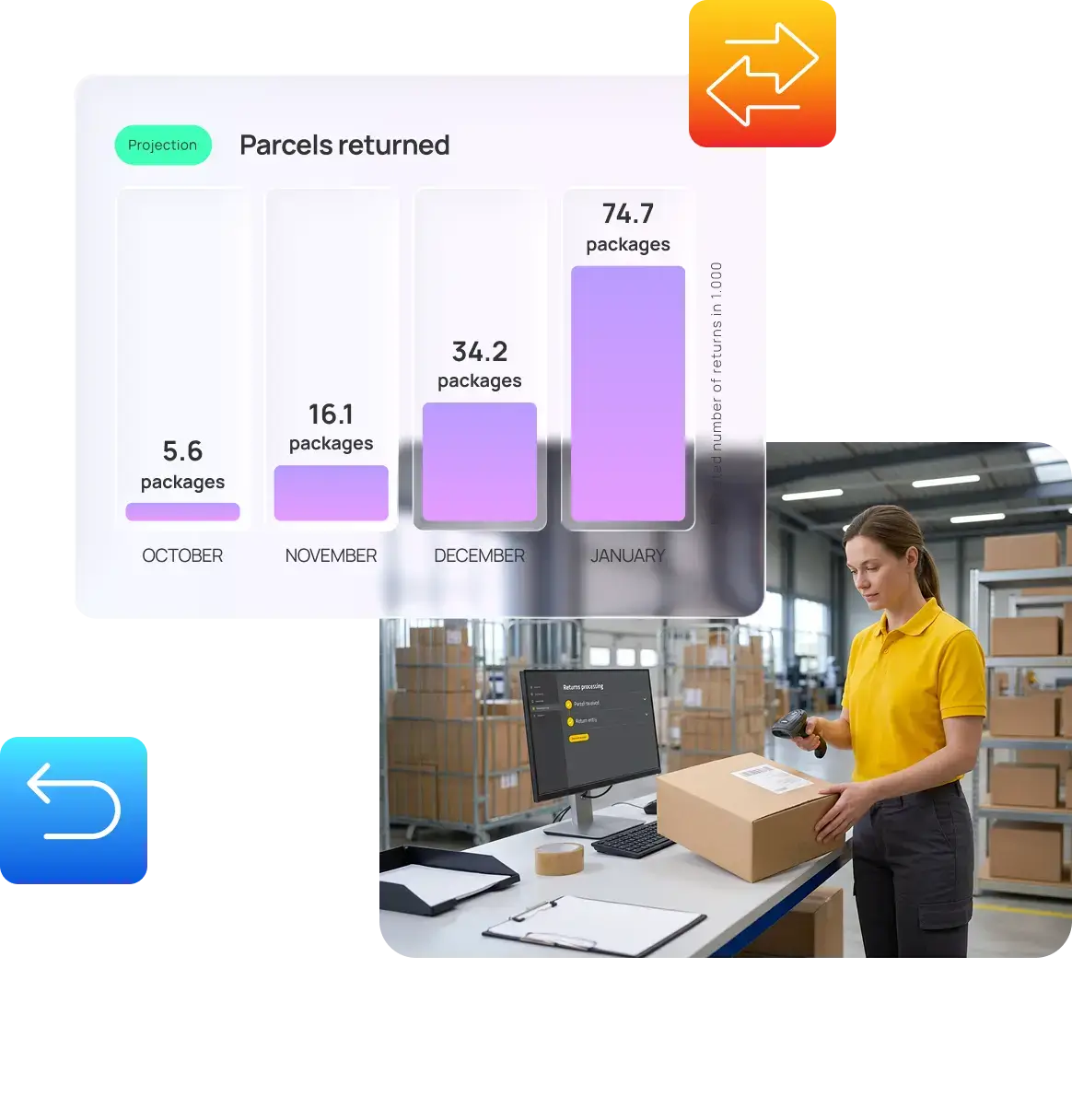
Not every parcel journey ends with delivery. When products need to travel back across borders, businesses face many of the same logistics decisions in reverse. Which return options do you offer? Which carriers handle the journey? And how do you keep both your team and your customer informed?
Cross-border returns can also involve longer transport routes and, when goods cross customs borders, additional customs procedures. A well-organised return process helps you keep that complexity under control while providing customers with a clear and reliable return experience.
One solution for
shipping across Europe
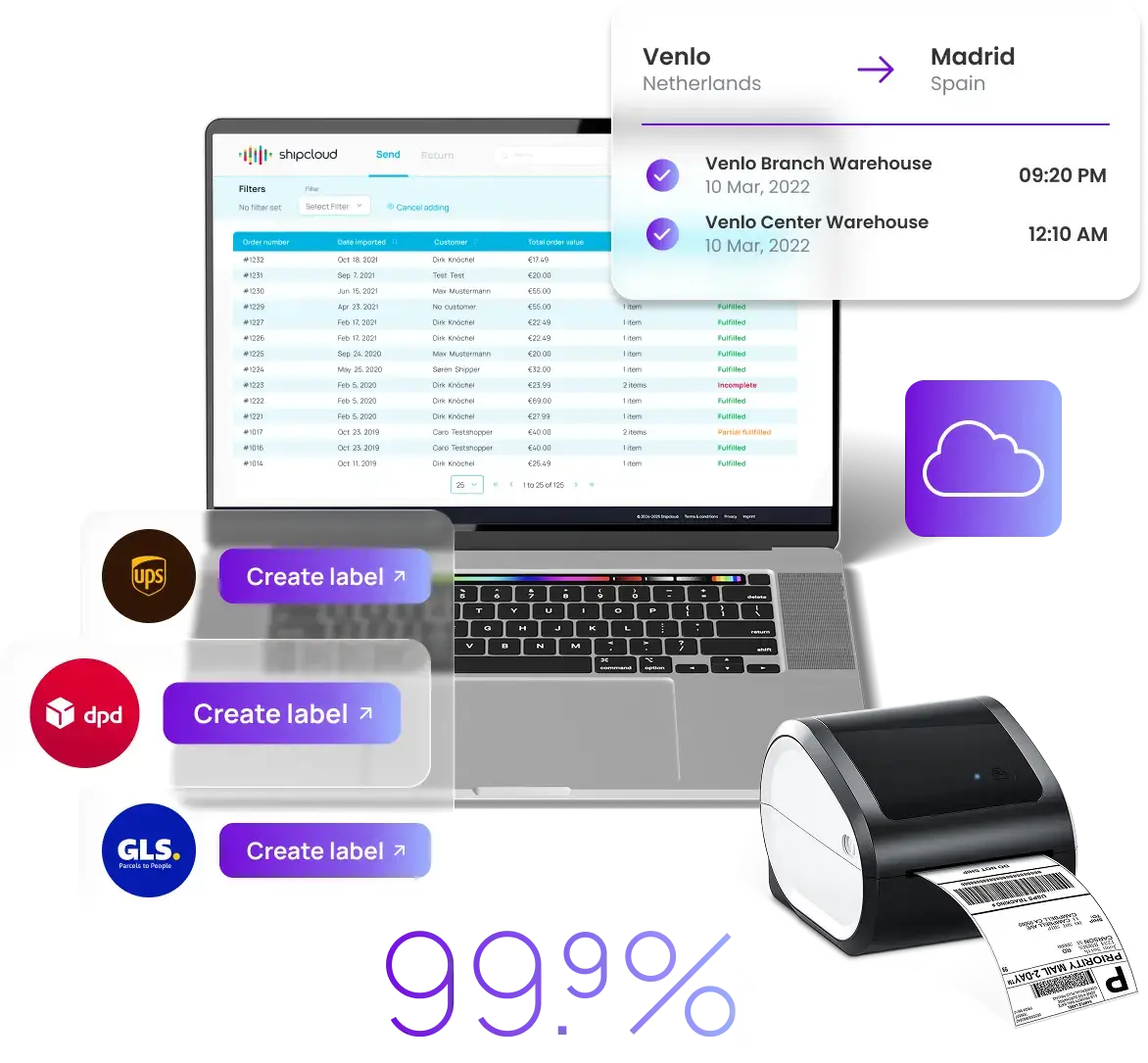
With Shipcloud, you can connect your shop, Enterprise Resource Planning (ERP) or Warehouse Management System (WMS) to an extensive carrier network and manage your European parcel shipping centrally.
From carrier selection and label creation to tracking, returns and shipping analytics, you have the tools and logistics expertise to keep your operation running efficiently as volumes and markets grow.


